Entry · Ref CFXE13IR
Local Life and Lattes: Inside a Cafe in Monument, CO
- Posted
- 2026-10-28
- Last amended
- 2026-10-28
- Account
- @knoxfpbp476
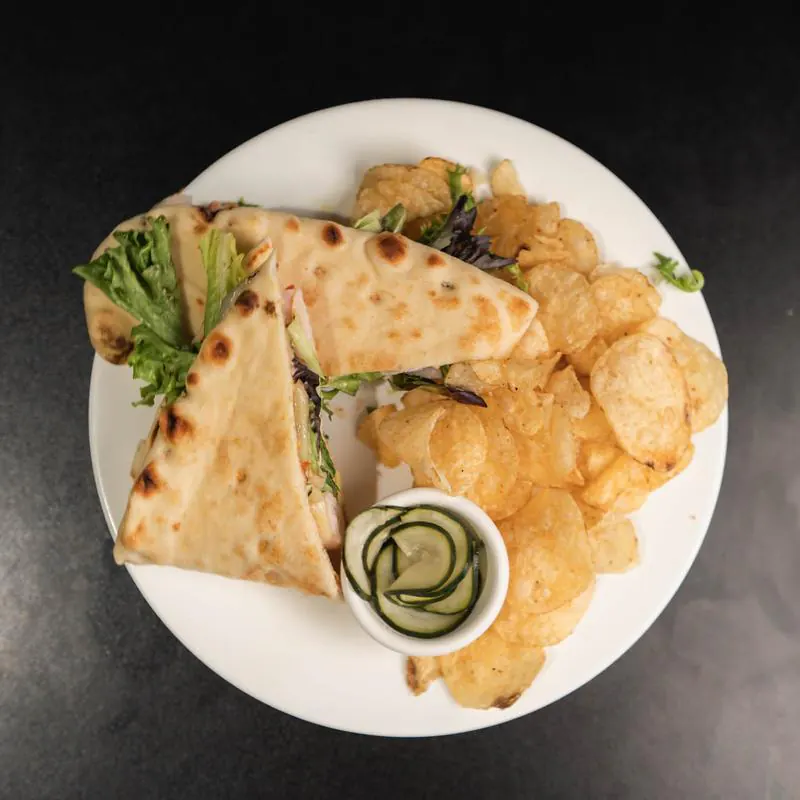
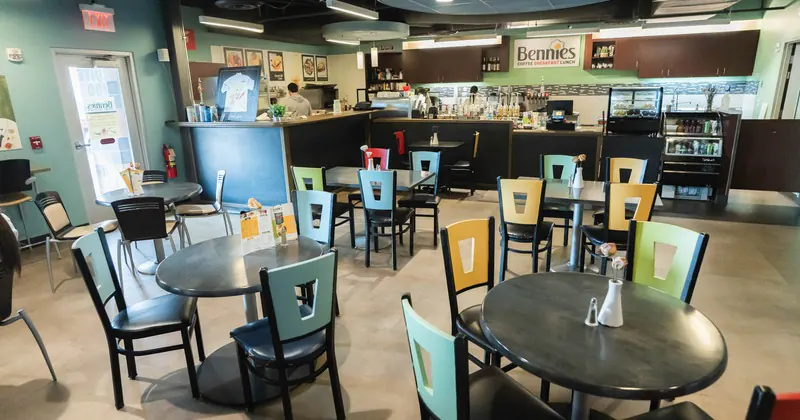
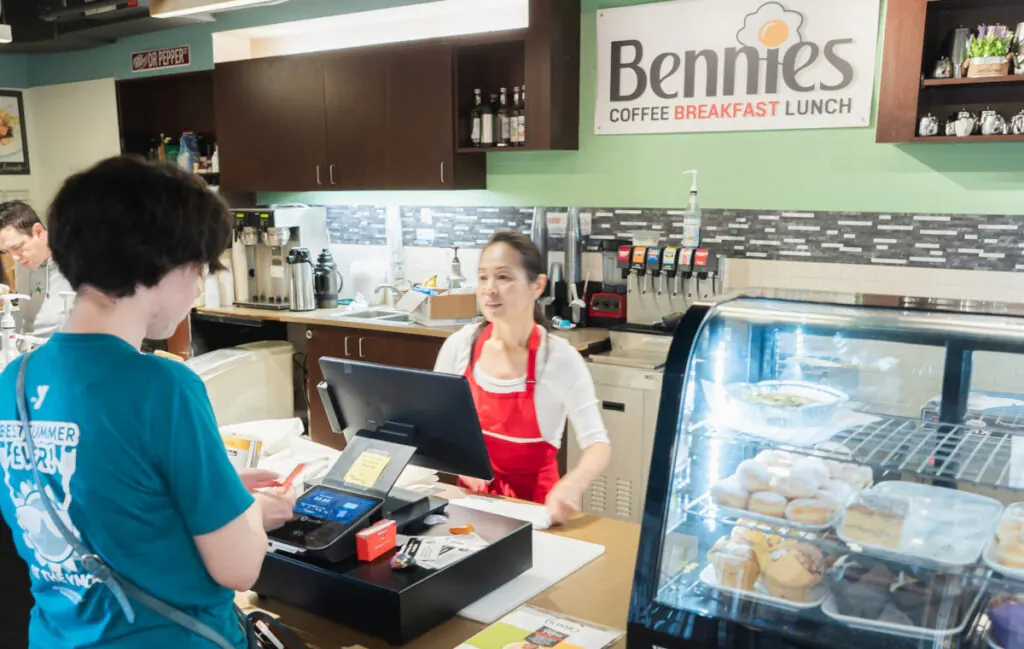
Monument has a particular pace that reveals itself slowly. It is not sleepy, exactly, and it is not hurried in the way a larger Front Range city can be. It sits in that interesting middle ground where ranching history, mountain proximity, military families, commuters, retirees, and young parents all cross paths in the same grocery store aisle. Spend a few mornings in town and one thing becomes clear: if you want to understand the social rhythm of the place, start in a cafe.
A good cafe in Monument, CO does more than serve coffee. It acts as a waiting room before the school run, a remote office for people escaping the noise of home, a neutral meeting ground for local business owners, and a warm refuge when the wind comes off the Palmer Divide with real intent. In smaller communities, coffee shops often absorb jobs that would be spread across many venues in a larger city. They become part dining room, part bulletin board, part town square.
That role matters more here than visitors might expect. Monument is close enough to Colorado Springs to feel connected, yet distinct enough to hold onto a local identity. You can see that identity play out over a counter, cup by cup.
The first thing you notice is the mix of people
Walk into a well-run cafe in Monument on a weekday morning and you are likely to see a cross-section of town life within ten minutes. There will be early risers in outdoor jackets, some heading north, some south. There will be a parent with a stroller negotiating a pastry and a toddler at the same time. There may be a contractor grabbing coffee before a job, followed by a pair of women meeting for what is clearly a standing weekly catch-up. By midmorning, laptops open. By lunch, the tone shifts again.
That blend tells you something important about local business in Monument. A cafe cannot rely on just one customer type and thrive year-round. It has to appeal to the person who wants a fast drip coffee at 6:45 a.m. And to the person who plans to stay for ninety minutes with tea, a breakfast sandwich, and a notebook. It also has to handle the seasonal ebb and flow that comes with Colorado life. A snowy morning, a sunny trail day, school breaks, and summer visitor traffic all alter the room in subtle ways.
The best operators understand this intuitively. They build a menu and a space flexible enough to serve multiple kinds of regulars without making any of them feel like an afterthought. That is harder than it sounds. Many cafes manage one identity well. Few manage several.
Coffee tastes different at altitude, and that is not a throwaway detail
Anyone serious about coffee in Colorado eventually runs into a practical truth: elevation changes brewing behavior. Monument sits high enough that water boils at a lower temperature than it would at sea level, which affects extraction. If the shop is thoughtful, that shows up in the cup.
This is not the kind of difference every casual drinker can name on the spot, but it is the kind they can sense. A shot pulled too aggressively can taste even sharper in dry mountain air. Brewed coffee that is under-extracted can come off thin, especially on cold days when people are craving roundness and heat. Milk texture matters, too. In a climate that swings from crisp mornings to warm, bright afternoons, temperature control and consistency become part of the craft.
A strong cafe in Monument, CO usually pays attention to those details without turning the experience into a lecture. That is the sweet spot. Customers want quality, but most do not want ceremony for its own sake. They want the cappuccino to be balanced, the drip coffee to be fresh, and the staff to know the difference between an oat milk latte made for convenience and one made to actually taste good.
In real terms, that means dialed-in espresso, beans that have not been sitting too long, and baristas who know when to move quickly and when to slow down. On a busy morning, speed matters. So does restraint. Overcomplicating coffee service in a community setting is one of the easiest ways to make locals feel like outsiders in their own town.
A cafe here has to feel welcoming without feeling generic
That balance is harder to strike than many owners realize. Plenty of shops can create coziness with wood tones, plants, and pendant lighting. The look has become almost universal. Atmosphere alone does not make a place local. The real test is whether the room reflects the habits of the people who use it.
In Monument, that often means practical comfort rather than precious design. Seating needs to work for more than one purpose. A table should accommodate a laptop and a pastry plate, but it also has to work for a conversation between neighbors who stay longer than planned. The room should feel bright enough for someone reading a document and relaxed enough for someone taking a real break. Music should add texture, not compete with conversation.
Small operational choices communicate just as much as decor. Is there enough space between tables for winter coats? Are outlets available, but not so dominant that the whole room turns into a silent co-working farm? Is the line easy to navigate when parents come in with children? Can someone order quickly and leave without fighting the furniture? Those details often separate a beloved local spot from a coffee shop people describe as “nice” but do not visit often.
The cafe experience in a town like Monument also depends on staff memory. Not perfection, just recognition. A barista who remembers a regular prefers an extra-hot latte or a half-sweet mocha is doing more than improving service. They are building attachment. In a community business, attachment is currency.
The menu tells you what the cafe thinks its job is
A menu in a local cafe is never just a menu. It is a statement of intent.
If the offerings stop at basic coffee drinks and a few pastries, the shop may be positioning itself as a quick stop. There is nothing wrong with that, especially in a corridor that serves commuters. But if the kitchen extends into breakfast burritos, sandwiches, soups, or baked goods substantial enough to replace a meal, then the business is signaling a broader role in town life.
In Monument, that broader role often makes sense. People may be driving between errands, heading to trails, managing school schedules, or meeting clients. A cafe that can bridge coffee and light food becomes more useful, and usefulness is a major predictor of repeat business in smaller communities. Romance matters less than reliability.
That does not mean the food should be an afterthought. In fact, weak food can quietly undermine strong coffee. A dry scone, a refrigerator-cold breakfast sandwich, or pastries that look better than they taste can flatten the whole experience. In a place where locals have options and visitors rely heavily on first impressions, quality needs to travel across the menu.
The stronger cafes understand portion and pacing. Monument customers often want food that feels hearty enough for Colorado appetites, but not so heavy that it drags the rest of the day. A burrito should be satisfying, not leaden. A pastry should feel fresh, not ornamental. A turkey sandwich should taste assembled with care, not simply stacked. Precision matters here because customers return often enough to notice.
Morning in Monument has its own coffee rhythm
Between roughly 6:30 and 9:00 a.m., the cafe is a machine. Drinks need to move. Orders need to be right. The room is full of people measuring the rest of the day by what happens in the next fifteen minutes. Some are driving to work. Some are coming back from an early workout. Some are squeezing in a moment alone before the obligations begin.
This is when a cafe earns trust. Not through branding, but through execution.
A dependable morning operation requires more than good beans. It needs clear workflow, thoughtful staffing, and equipment that can handle a rush without turning the bar into a bottleneck. Customers forgive many things in a leisure setting. They are far less generous at 7:20 a.m. When the school bell and office clock are both looming.
And yet the morning crowd is not monolithic. One of the interesting things about a cafe in Monument, CO is that the rush contains both speed and ritual. One customer wants a black coffee poured immediately. Another has a very specific drink order and a standing habit of chatting for thirty seconds while paying. The successful shop creates room for both kinds of customer without making either feel in the way.
You can often judge the maturity of a cafe by how calm it stays during this window. Not silent, not stiff, just controlled. Cups move. Names get called. A pastry case gets refilled. Someone opens the door and brings in another gust of cold air. The line grows, then thins. If the team keeps its rhythm, the room feels cared for.
Midmorning is when the cafe becomes a social map
By ten o’clock, the tempo changes. This is when the cafe starts revealing local patterns that are easy to miss during the rush.
Real estate conversations happen over americanos. A tutoring session unfolds in one corner. A retiree reads for an hour without being bothered. Two people in business casual discuss estimates or timelines. Someone from out of town studies trail options on a phone while asking the barista where locals like to go on a free afternoon. A church volunteer checks email. A writer lingers over a second cup.
In larger cities, these scenes would be scattered across many venues. In Monument, they often collect in one place. That concentrated community use gives a cafe unusual importance. It becomes both practical infrastructure and emotional infrastructure. People rely on it to get things done, but also to feel less isolated.
That second function should not be underestimated. Small-town and suburban life can be warm, but it can also be socially fragmented, especially for newcomers, remote workers, and parents with demanding schedules. Cafes help bridge that gap by offering low-stakes contact. You do not need an invitation or a membership. You just need enough time for a drink.
The shops that thrive usually understand this social utility and protect it. They do not rush people unnecessarily. They maintain a level of friendliness that invites return visits. They keep the room clean and the restrooms functional. Those sound like ordinary standards, but in hospitality, ordinary standards are often the whole game.
Weather changes everything, and cafes adapt or struggle
Monument weather can turn quickly enough to shape a business day by day. A bright morning can become a windy, cold afternoon. Snow can alter traffic patterns and compress demand into narrow windows. During harsher stretches, a cafe stops being a lifestyle accessory and becomes a shelter with espresso.
Cold weather amplifies the need for comfort food, reliable hot drinks, and indoor warmth. But it also brings operational strain. Wet floors, people lingering longer, outerwear piled onto chairs, and heavier demand for takeout all test the room. A cramped layout that seems charming in September can feel chaotic in January.
Summer presents a different challenge. Traffic may loosen. More visitors pass through. Iced drinks pick up, but so do expectations around convenience. People coming off a hike or moving between family activities want speed, clean bathrooms, and maybe a shaded seat. A cafe that reads as too precious in winter can feel impractical in summer.
This is where local knowledge pays off. Operators who understand Monument do not chase every trend. They build menus and service habits around how people actually live in the area. Maybe that means a stronger breakfast program during school months. Maybe it means more grab-and-go options when outdoor activity peaks. Maybe it means knowing that the first big snow tends to bring equal parts excitement and disorder, and staffing accordingly.
What regulars value most is not always what owners expect
Owners often focus first on visual identity and signature drinks. Those things matter. They are also only part of the equation. In my experience, regular customers in towns like Monument care most about consistency, ease, and feeling known.
They notice if the roast profile changes too often without clear communication. They notice if a favorite breakfast item disappears every few weeks due to supply issues. They notice if online hours say one thing and the locked front door says another. Reliability is not glamorous, but it is foundational.
They also care about emotional tone. A cafe can be beautifully designed and still fail if the room feels tense. On the other hand, a modest space with steady coffee and genuinely attentive staff can become indispensable. Hospitality is cumulative. Each visit lays a small brick. Over time, that becomes reputation.
That is especially true in Monument, where word travels through schools, neighborhood circles, church communities, youth sports sidelines, and local business networks. The phrase “you should try that place” still has force in a town environment. So does “it used to be good.” Cafes live close to the nerve endings of local opinion.
For visitors, the cafe offers a better read on town than a quick drive-through
A lot of people pass through Monument on their way somewhere else. Some are headed toward trails or scenic drives. Some are visiting family. Some are exploring whether the area might fit their next chapter. For them, sitting in a cafe for forty-five minutes often reveals more than an afternoon of errands.
You can sense whether the town feels settled or hurried. You can hear the cadence of local conversation. You can observe whether people know one another, whether the staff seems rooted, whether the room welcomes both outsiders and regulars. That kind of intelligence does not come from brochures or real estate listings.
If you are trying to get a feel for Monument, a cafe is also one of the few places where the town’s different constituencies overlap naturally. You may see longtime residents, newer arrivals from other states, military-affiliated families, entrepreneurs, teenagers after school, and retirees all in the same room. That overlap gives the place diagnostic value. You are not seeing a niche audience. You are seeing a community in miniature.
For that reason alone, the phrase Cafe Monument, CO captures more than a pin on a map. It points toward a local institution, the kind of place where coffee is the entry point, not the whole story.
The economics are tight, even when the room looks full
It is worth saying plainly: cafes are difficult businesses to run well. Margins are rarely generous. Labor is expensive. Equipment breaks. Ingredient prices shift. Demand can be uneven. A full room does not automatically mean healthy profit.
In Monument, those challenges sit alongside local realities such as rising costs, weather disruptions, and customer expectations shaped by both chain convenience and independent-shop values. People want high quality, but they also notice price increases quickly. They want speed, but they also want care. They want a local feel, but they compare every latte to one they had elsewhere.
The strongest operators respond not by trying to please everyone equally, but by choosing their strengths and executing them clearly. Some lean into hospitality and community. Others carve out a reputation for coffee quality. Some become known for breakfast, others for workspace, others for atmosphere. The mistake is attempting to perform every identity at once without the systems to support it.
Customers, to their credit, often understand more than owners think. Most regulars are willing to pay for quality when they can see where the value lives, in better ingredients, better service, a cleaner room, more dependable hours, or a team that clearly cares. What they resist is drift, when prices rise while experience becomes less coherent.
Why the best cafes become part of memory
Ask people about meaningful local businesses and they rarely talk only about the product. They talk about a winter morning, a familiar seat by the window, the first outing after moving to town, the place where they met a friend every Friday, the coffee they grabbed before a child’s game, the quiet hour they reclaimed after a rough week.
That is how a cafe becomes embedded in local life. Not by grand gestures, but by repetition and usefulness delivered with a little grace.
In Cafe Monument, CO Monument, that kind of place matters because the town still allows for habitual belonging. People can return often enough for patterns to form. They can become known. They can watch the same room change with the seasons and their own lives. Children grow taller. Work routines shift. New faces become familiar ones. The cafe remains a steady witness.
A truly good cafe in Monument, CO does not need to announce itself as the heart of the community. If it is doing the job well, the community will quietly decide that for itself. The proof will be visible in ordinary moments: a line that forms before sunrise, a table that fills every Thursday, a barista who starts making a drink before the customer finishes ordering, a traveler who sits down for one coffee and leaves understanding the town a little better.
That is local life. The lattes just make it easier Cafe Monument, CO to sit still long enough to see it.
Bennies Cafe
17230 Jackson Creek Pkwy Ste 100, Monument, CO 80132
+1 719-445-0660
FAQ About Cafe Monument, CO
What is considered a café?
A café is generally an informal place to enjoy refreshments and a meal. Bennies Cafe in Monument serves breakfast and lunch in a counter-service setting, with options including eggs Benedict, sandwiches and crepes. Guests can eat in or arrange pickup.
What is the difference between a coffee shop and a café?
The terms often overlap. A coffee shop usually emphasizes coffee and other drinks, while a café may offer a broader food menu. Check the individual establishment's menu rather than relying on its name. Bennies Cafe offers coffee drinks alongside breakfast and lunch dishes.
What is the difference between café and coffee?
In everyday English, a café is a place where people buy food and drinks, while coffee is the beverage. The word café comes from the French word for coffee. Bennies Cafe serves options such as brewed coffee, espresso and lattes as part of its drinks menu.