Entry · Ref J1H9127K
Relax, Sip, Repeat: Enjoying a Cafe in Monument, CO
- Posted
- 2026-10-28
- Last amended
- 2026-10-28
- Account
- @knoxfpbp476
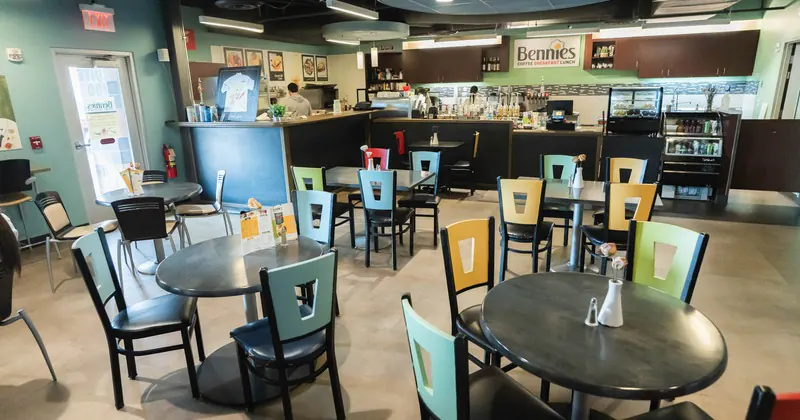
There is a particular kind of pleasure in finding a cafe that gets the basics right. Not flashy, not overly precious, just quietly competent in the ways that matter. The espresso tastes balanced instead of scorched. The tables feel inviting enough for a slow morning but not so crowded that every conversation bleeds into the next. The pastry case offers genuine temptation, not an afterthought wrapped in plastic. In a town like Monument, Colorado, that experience carries even more weight. People are not only looking for caffeine. They want a place to settle in after a trail walk, hold an informal meeting, warm up on a snowy day, or pause between errands without feeling rushed.
That is what makes spending time at a cafe in Monument, CO, so satisfying. Monument has a rhythm that sits somewhere between mountain-town ease and Front Range practicality. You notice it in the pace of the sidewalks, the way people greet each other at the counter, and the steady mix of commuters, remote workers, retirees, and families. A good cafe becomes a crossroads for all of them. It is not just where coffee is served. It is where the town briefly overlaps with itself.
Why cafes feel different in Monument
Monument does not have the anonymous feel of a larger city where one coffee shop can blur into the next. The setting changes expectations. At over 7,000 feet, weather becomes part of the atmosphere inside any cafe. A cold morning makes a mug of drip coffee feel more restorative than it would at lower elevation. Bright high-country sun pouring through front windows can turn an ordinary table into the best seat in town. On stormy afternoons, the room takes on a sheltering quality that chains and generic spaces rarely manage.
That local context shapes the crowd as well. Early mornings often draw commuters heading toward Colorado Springs or Denver, depending on the day and the route. Midmorning belongs to people who know how to stretch an hour, parents after school drop-off, contractors grabbing breakfast, remote workers with laptops, and friends catching up over lattes. Weekends broaden everything. Cyclists stop in after long rides. Visitors headed toward Palmer Lake or the foothills look for a comfortable place to reset. Churchgoers, hikers, and families all seem to pass through at some point.
A cafe in Monument, CO, works best when it understands this mix. It has to be efficient without feeling transactional. It has to offer enough seating for the customer who wants ten quiet minutes and the one who plans to stay through a full email backlog. It has to be sturdy, in a sense. Fancy concepts can survive in trend-driven neighborhoods. In Monument, consistency tends to matter more.
The first few minutes tell you almost everything
You can learn a lot about a cafe before the first sip. The line at the register shows whether the space knows how to handle a rush. If people hesitate when ordering, the menu may be trying too hard. If the barista can answer a question quickly and clearly, that usually signals a well-run operation behind the counter. Good cafes train for pace and hospitality at the same time.
Then there is the room itself. In mountain-adjacent towns, comfort is not a trivial detail. Chairs matter. So does acoustics. Hard surfaces can make a place feel buzzy for about twenty minutes and exhausting for the next forty. A better room softens the noise enough that you can hear the person across from you without leaning in. It Cafe Monument, CO Bennies leaves enough breathing room between tables that people are not constantly negotiating backpacks, strollers, or winter coats.
Cleanliness is another quiet marker. Not the sterile look of constant wiping, but the reassuring order of a place that gets reset throughout the day. Sugar station tidy. Condiment lids not sticky. Restroom checked often. These things are easy to dismiss until they are absent. Then they become the whole story.
Coffee is still the point
Ambience helps, but a cafe lives or dies by what ends up in the cup. In Monument, where locals are likely to return several times a week, there is little room for novelty without substance. People notice when the roast profile leans bitter to mask inconsistency. They notice when milk drinks arrive overheated or foam collapses before the cup reaches the table.
A strong coffee program does not require theatrical presentation. It requires discipline. Espresso should hold sweetness and body, with enough structure to cut through milk but enough balance to stand on its own. Drip coffee should taste fresh, not like it has been sitting for half the morning. If the shop offers pour-over, it should be because someone behind the bar can execute it reliably during a real shift, not because the menu wants to signal seriousness.
Altitude adds subtle challenges too. Water boils at a lower temperature in Monument than at sea level, and while most customers will never think about extraction curves, they will notice when brewed coffee tastes thin or underdeveloped. Good operators account for this. They adjust recipes, grind settings, and brew methods with intention. The result is a cup that feels rounded and complete rather than merely hot.
The milk side of the menu deserves equal attention. In colder climates, people often order more lattes, mochas, and chai than they do in warmer regions, especially through much of fall and winter. A cafe that can steam milk properly, dense enough for texture, not airy and scalded, earns repeat business quickly. The difference between a rushed latte and a careful one is not subtle. One tastes flat and sweet. The other carries espresso, sweetness, and warmth in balance.
Food matters more than many owners admit
A cafe can survive on drinks alone, but it becomes part of local routine when it serves food people actually want to eat more than once. That does not necessarily mean a giant menu. In fact, many shops improve when they narrow their offerings and focus on freshness. A small, well-kept selection of pastries, breakfast sandwiches, burritos, or quiche often performs better than a sprawling case full of mediocrity.
In a place like Monument, practical food wins. Customers are often on the move, meeting someone, heading to work, or coming back from being outdoors. They need options that are satisfying without becoming cumbersome. A pastry with some structure, a breakfast sandwich that can be eaten neatly, oatmeal on a cold morning, or a lunch special that does not feel heavy can all do well. Portions matter too. Mountain-town appetites can be real, especially after activity, but oversized food that sacrifices quality usually disappoints both hungry people and lighter eaters.
The best cafes also understand timing. Morning food has to be ready when the rush hits. If every breakfast item takes fifteen minutes once the line forms, the room starts to fray. On the other hand, pre-made food that sits too long loses texture fast in Colorado’s dry air. There is judgment involved. Owners who strike the balance between speed and freshness often become local fixtures.
What makes a cafe worth lingering in
Not every cafe needs to be a full third place, but the memorable ones usually are. They allow a customer to stay a little longer than strictly necessary without creating tension. That can mean reliable Wi-Fi, accessible outlets, a mix of two-top tables and soft seating, or simply a room that does not feel like it wants to turn over every twenty minutes.
In Monument, lingering tends to look different than it does in a downtown business district. People are not always rushing to the next appointment. They may be easing into a day, waiting on weather to clear, reading, or talking through a project with a neighbor. You can feel whether a cafe welcomes that pace. The lighting is gentler. The music sits in the background rather than trying to define the space. Staff read the room well. They know when to chat and when to let someone be.
There is also a strong social element. Local cafes often function as low-key community centers. Someone spots a friend across the room. A small business owner runs into a client unexpectedly. Parents compare school schedules. A trail recommendation gets exchanged near the cream station. None of this is staged, and that is the point. When a cafe in Monument, CO, is doing its job well, it gives those moments a place to happen naturally.
The seasons change the experience
One reason cafes in Monument stay interesting is that the mood shifts dramatically through the year. Winter brings a special kind of attachment to warm indoor spaces. After a morning with single-digit temperatures or a fresh snowfall, walking into a cafe feels less like a purchase and more like relief. Windows fog lightly. Gloves come off. A hot drink becomes practical before it becomes indulgent.
Spring can be unpredictable in the Front Range, sometimes bright and mild, sometimes interrupted by a late storm. Cafes become staging grounds for flexible plans. People meet for coffee first, then decide whether the weather allows for a walk, a drive, or an afternoon on a patio. Summer, by contrast, tends to spread people out. Mornings start earlier. Iced drinks move faster. Outdoor seating becomes valuable, especially before the strongest afternoon sun. Then fall arrives and puts everything back into focus. The air cools, routines sharpen, and coffee culture feels newly relevant again.
For regulars, these seasonal shifts become part of the ritual. The first hot mocha after a cold snap. The iced Americano before a long day outside. The morning pastry that tastes especially right when aspens start to turn in nearby areas. These details may sound small, but they are exactly what build attachment over time.
How locals tend to judge value
Price always matters, but in places like Monument, value is usually measured against consistency and comfort, not just dollars. People will pay a little more for a drink that is reliably good, served in a room that feels pleasant, by staff who remember how they take it. They become skeptical when pricing drifts upward without visible care in return.
A five-dollar drip coffee can feel excessive if it is poured from a neglected carafe into a flimsy cup. A seven-dollar latte can feel fair if the espresso is well dialed in, the milk is textured correctly, and the environment invites you to stay long enough to enjoy it. The same logic applies to food. Customers notice when ingredients taste fresh, when portions are calibrated thoughtfully, and when the menu avoids using “artisan” language to excuse basic shortcomings.
This is one reason independent cafes often do well in towns with strong local identity. They can compete on trust and specificity. They know what time skiers, hikers, and commuters show up. They know which drinks move when the wind picks up and temperatures drop. They can shape a menu around actual customer behavior rather than a national rollout plan.
A few signs you have found a place worth returning to
Some qualities reveal themselves only after a second or third visit. Others are immediate. If you are trying to figure out whether a cafe deserves a regular spot in your routine, a short mental checklist helps.
- The coffee tastes consistent across different days and different baristas.
- The room has at least one place where you could comfortably stay for 45 minutes.
- Staff handle busy periods without losing accuracy or basic warmth.
- The food looks and tastes like someone chose it with care.
- You can imagine recommending it to both a friend from town and a guest passing through.
That last point matters. Good local cafes can satisfy two very different audiences at once. They feel rooted enough for residents and approachable enough for visitors.
Remote work, meetings, and the etiquette of staying awhile
The rise of laptop work changed cafe culture almost everywhere, but small-town cafes feel the effect in a distinct way. A single customer occupying a four-top for three hours lands differently in a compact room than in a large urban shop built for churn. The best approach is mutual awareness. Cafes can support remote work by offering seating zones or making table layouts intuitive. Customers can do their part by ordering more than once during a long stay, keeping calls brief, and avoiding peak meal tables when the room fills up.
Monument is particularly well suited to this kind of hybrid use. It has enough residents with flexible schedules, home-based businesses, and remote roles to keep daytime cafe traffic varied. At the same time, it retains a local expectation of courtesy. People generally understand when to spread out and when to make room. That social intelligence keeps the space usable for everyone.
Informal business meetings also fit naturally here. A cafe can be a better setting than an office for first conversations, quick check-ins, or community networking. The environment lowers the stakes just enough. It is easier to talk through ideas over coffee than across a formal desk. For many small business owners and professionals, local cafes become unofficial satellite offices, though the successful ones are careful not to let that identity crowd out everyone else.
What visitors often miss
Someone passing through Monument for a day might evaluate a cafe only on speed, menu appeal, and whether the coffee is good. Fair enough. But regulars tend to value something deeper, the role the place plays in the daily texture of town life. They notice whether staff stay long enough to learn names. They notice whether the owner is present and whether changes to the menu reflect customer habits rather than trend-chasing. They notice if the room remains welcoming at odd hours, on slow afternoons, and during weather that keeps casual traffic away.
Visitors also sometimes underestimate how much place affects taste and mood. Coffee after a crisp walk in Monument often feels better than the same coffee would elsewhere, not because of fantasy, but because context shapes experience. The dry air, the pine-scented breeze outside, the visible shift in weather over nearby hills, all of it sharpens the contrast between outdoors and indoors. A cafe becomes part of that sensory arc.
Making the most of a cafe stop in Monument
If your goal is not just to grab caffeine but to enjoy the experience, timing helps. Early weekday mornings offer energy and momentum, though not always quiet. Midmorning can be the sweet spot for a more relaxed pace. Weekend rushes bring life and local color, but they can also mean waiting for a table. Snowy or rainy days often create the coziest atmosphere, provided you are not in a hurry.
Your order can shape the visit too. On colder days, a straightforward drip coffee or cappuccino often reveals more about a cafe’s standards than a heavily flavored drink. If you are settling in, pairing a hot drink with a pastry or a light breakfast usually turns a short stop into an actual break. In warmer months, iced coffee or cold brew can be ideal after time outside, though these drinks also expose shortcuts quickly. Dilution, poor brewing, or stale beans have nowhere to hide over ice.
For anyone exploring the idea of a favorite cafe in Monument, CO, the best advice is simple: visit more than once, and visit at different times. Some places shine only when they are half full. Others show their strength in the middle of a rush. A truly dependable cafe feels competent in both conditions.
The real luxury is the repeat
There is a reason certain cafes become part of people’s weeks rather than occasional treats. They offer a form of everyday steadiness that is increasingly rare. Not grand luxury, just the honest comfort of a well-made drink, a familiar room, and a little breathing space built into the day. In Monument, that kind of place fits naturally with the town’s character. Life here often invites a slower look, a longer sip, a little more awareness of weather, season, and company.
That is why the phrase “relax, sip, repeat” lands as more than a slogan. The repeat is the important part. One pleasant visit is nice. Returning because the place continues to deliver, because it suits the rhythm of your mornings or your weekends, because it has earned your trust, that is what gives a cafe its real value.
A memorable cafe in Monument, CO, does not need to perform sophistication to matter. It simply needs to be good in the ways people feel immediately and appreciate more over time. Warm when it should be warm. Brisk when the line is deep. Calm when the weather turns. Consistent enough to become familiar, and interesting enough that familiar never means dull. That is the kind of place where you can sit down, take a first sip, and know you chose well.
Bennies Cafe
17230 Jackson Creek Pkwy Ste 100, Monument, CO 80132
+1 719-445-0660
FAQ About Cafe Monument, CO
What is considered a café?
A café is generally an informal place to enjoy refreshments and a meal. Bennies Cafe in Monument serves breakfast and lunch in a counter-service setting, with options including eggs Benedict, sandwiches and crepes. Guests can eat in or arrange pickup.
What is the difference between a coffee shop and a café?
The terms often overlap. A coffee shop usually emphasizes coffee and other drinks, while a café may offer a broader food menu. Check the individual establishment's menu rather than relying on its name. Bennies Cafe offers coffee drinks alongside breakfast and lunch dishes.
What is the difference between café and coffee?
In everyday English, a café is a place where people buy food and drinks, while coffee is the beverage. The word café comes from the French word for coffee. Bennies Cafe serves options such as brewed coffee, espresso and lattes as part of its drinks menu.