Entry · Ref L3ALSWYZ
The Essentials of Running a Smooth Cafe Operation
- Posted
- 2026-11-18
- Last amended
- 2026-11-18
- Account
- @knoxfpbp476
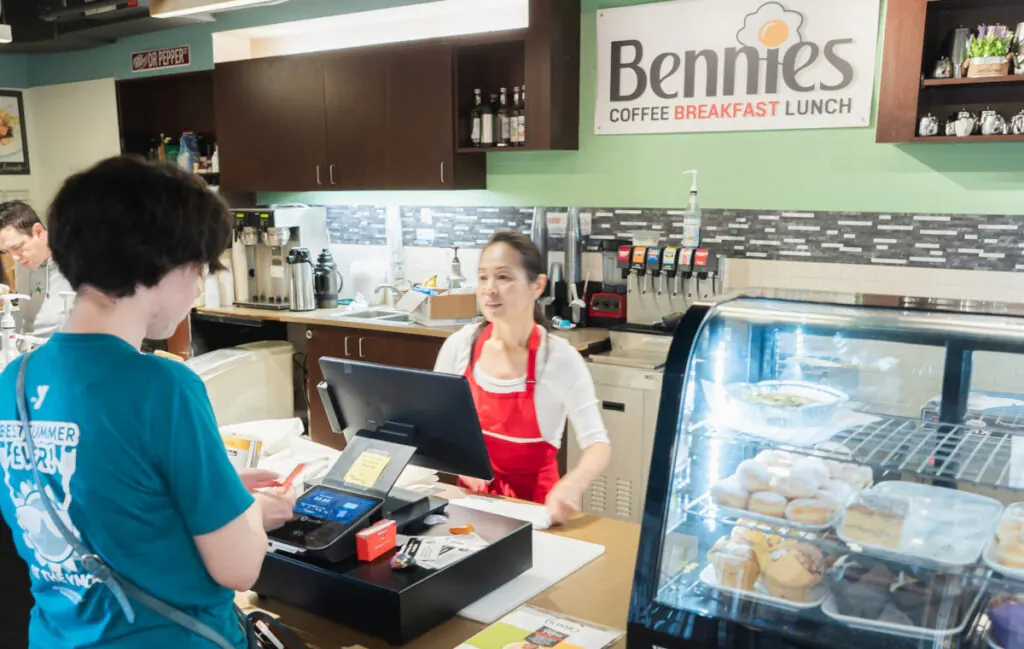
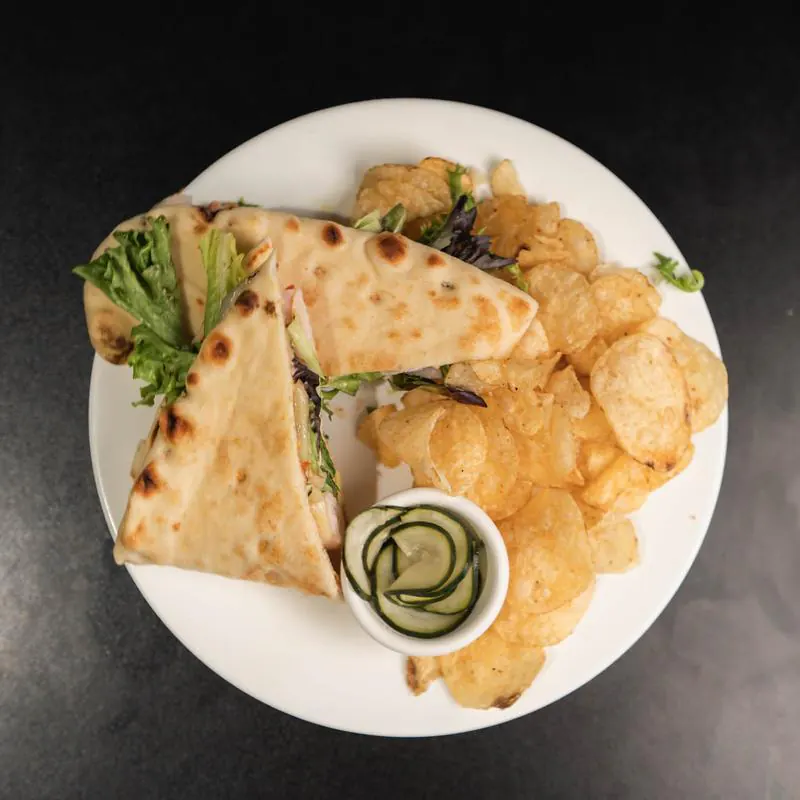
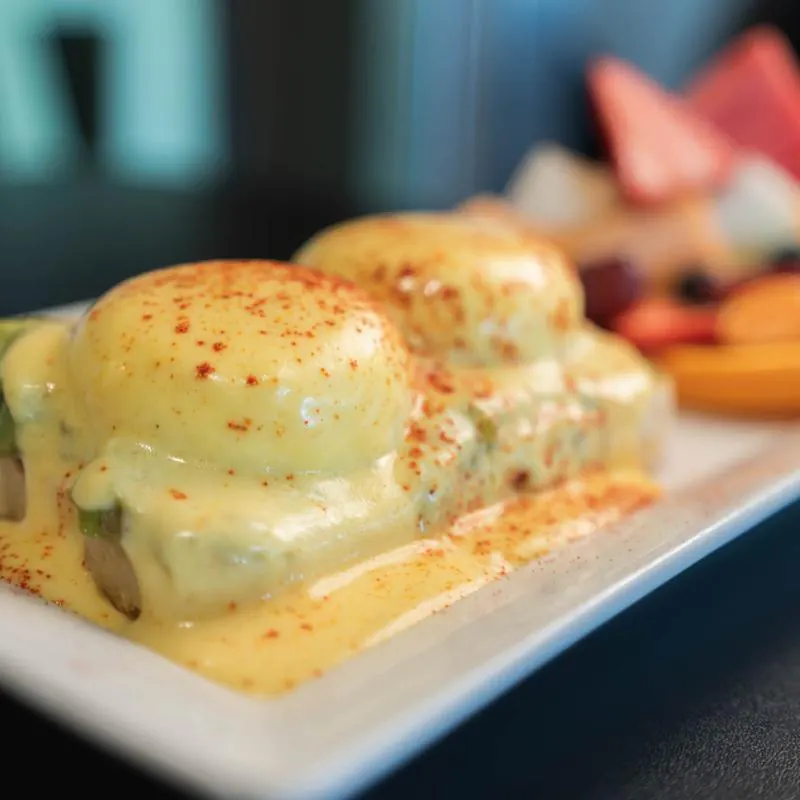
A well-run cafe looks easy from the customer side. The door opens, the room feels settled, the coffee is consistent, the pastry case is full, and somebody behind the bar seems to know exactly who needs what next. That sense of ease is usually the result of discipline, repetition, and hundreds of small operational choices that support one another.
Cafe operations are rarely undone by one dramatic failure. More often, the trouble starts with small lapses that pile up. Milk ordering drifts for three days, prep is not labeled clearly, a new cashier is not taught how to pace the line, the grinder calibration is skipped during a busy morning, and suddenly the room feels tense. Customers notice it long before management admits it.
Running a smooth operation means building a business that can handle pressure without becoming chaotic. The goal is not perfection. The goal is reliability, especially during the hardest ninety minutes of the day, when staff are moving fast, customers are impatient, and every weak system gets exposed.
Smooth service starts before the doors open
Most cafe problems that show up at 8:15 a.m. Were created at 6:45 a.m. A clean open, a realistic prep plan, and a checked-in team make a visible difference. Before the first customer walks in, the operation should already have momentum.
That begins with sequencing. Good openers do not bounce randomly between tasks. They move through a deliberate order: equipment on and warmed, pastry case stocked, espresso dialed in, drip coffee brewed, milk and backups set in reachable positions, cash drawer counted, music and lighting checked, and workstations reset so the first rush does not begin from a half-finished setup. It sounds basic, but this is where a lot of cafes lose the day. A bar that opens looking 80 percent ready will stay 20 percent behind until late morning.
Experienced operators also leave room for the predictable surprises. The oat milk case might be short. A grinder may need more adjustment than usual because of weather. A delivery may arrive at exactly the wrong moment. Smooth operations are not built on optimistic timing. They are built on realistic timing with a buffer.
One of the simplest habits I have seen improve morning execution is writing a shift-specific opening plan, not just a generic checklist buried in a binder. The Friday open does not look like the Tuesday open. If weekend pastry volume runs 40 percent higher, that should change the bake-off quantities and display timing. If office workers hit hard from 7:30 to 9:00, batch brew should be staged accordingly. Good operations respect patterns instead of pretending every day is interchangeable.
Workflow matters more than speed
Many owners talk about hiring “fast” people. In practice, speed without workflow is expensive. A fast barista who crosses the station six extra times per order is not truly fast. A cashier who rushes customers but enters modifiers incorrectly is not helping throughput. Smooth service depends less on raw hustle and more on motion that makes sense.
The physical layout of the cafe either supports good workflow or fights it. Milk should be where the barista needs it, not across a narrow corridor shared with the dishwasher. Lids, sleeves, stirrers, and takeaway condiments should not force staff to pivot into each other's path. High-use items should sit at waist to chest height whenever possible. Every repeated reach, twist, or sidestep adds friction, and friction compounds under pressure.
A common issue in smaller cafes is overcrowding the bar with too many people. Owners see a line and think another person should jump in. Sometimes that helps. Just as often, it creates collisions, unclear roles, and more noise than output. Two well-positioned staff with defined responsibilities can outperform four people improvising in a cramped space.
The best rushes have a rhythm. One person takes orders and manages guest flow. Another handles espresso and milk drinks. A third supports with batch brew, food handoff, dish turnover, and replenishment. In a very small operation, one person may hold two of those functions, but the logic stays the same. Each shift needs role clarity before the line forms, not during it.
Your menu can quietly sabotage your operation
Cafe owners often treat the menu as a branding document. Operationally, it is a production system. Every drink and food item affects ticket times, training complexity, waste, inventory, and guest expectations. A menu that looks exciting on paper can be a mess in service.
Smooth operations usually come from menus with clear categories, controlled customization, and ingredients that work across multiple items. If your best-selling seasonal latte requires a syrup only used in one drink, plus a garnish that takes fifteen extra seconds, plus a milk-steaming temperature different from the rest of the menu, it had better justify itself financially. Otherwise, it is stealing attention from the items that actually keep the cafe moving.
The same is true on the food side. Toast menus tend to look profitable until the lunch line hits and staff are trying to plate six custom items in a kitchen designed for pastry finishing, not made-to-order assembly. There is nothing wrong with expanding a cafe menu, but the setup has to support it. If the grill station crowds the espresso queue, the concept is overrunning the room.
One useful test is to stand at the POS and follow a full order mentally from payment to handoff. How many touches does it require? How many ingredients come from separate storage points? How often does one order interrupt another? Menu engineering is not abstract. It should reduce effort, not add theater.
Consistency is the real product
Many customers think they are buying coffee. Often they are buying certainty. They want their flat white to taste the way it did yesterday. They want the muffin they liked last week to still be there, or at least to be replaced by something equally reliable. They want to know how the cafe feels.
That level of consistency comes from standards that are written, taught, and checked. Espresso recipes should not live only in one lead barista's head. Milk texturing expectations should be demonstrated the same way to every new hire. Batch brew ratios, prep yields, pastry display par levels, cleaning routines, and closing procedures all need to be clear enough that the team can reproduce them across shifts.
This is where many cafes underinvest. They assume culture will carry knowledge informally. Informal teaching can work for small teams for a while. It usually breaks when turnover rises, a second location opens, or the manager takes two days off. Standards need a home outside memory.
That does not mean turning the cafe into a rulebook. Overly rigid systems can make staff robotic and slow to solve real problems. The right approach is structured flexibility. Teach the non-negotiables, then give people judgment for the rest. The espresso shot target should be non-negotiable. How a seasoned cashier calms a tense guest can vary by personality.
Staffing is not just about headcount
Labor is one of the hardest costs to manage in a cafe because mistakes show up in two ways. Overstaff and margins shrink quietly. Understaff and service quality collapses publicly.
The answer is rarely a simple labor percentage target without context. A neighborhood cafe with steady all-day traffic operates differently from a commuter-heavy shop that does half its business before 10:00 a.m. One may need strong closers and lean middays. The other may need an almost theatrical concentration of labor at open, then sharp reductions once the rush passes.
Strong scheduling starts with demand patterns, not availability alone. Sales by half hour, average ticket size, and product mix reveal more than instinct. If breakfast sandwiches spike from 8:00 to 9:30, one more food-capable employee during that window may produce far better service than spreading the same hours across a slow afternoon.
Training matters just as much as scheduling. A cafe with five people who can only do one task each is fragile. A cafe with three people who are cross-trained thoughtfully is often more resilient. Cross-training also improves morale when done properly, because it gives staff a clearer sense of the whole business. The caveat is that not every employee should be expected to do everything at the same proficiency. There is a difference between a bar-back who can jump on batch brew and a true espresso lead.
When I have seen staffing work best, managers pay attention to temperament as much as skill. The technically strongest barista is not always the best person to anchor a hectic register. Some employees stay calm under a line but struggle with detailed closing work. Others are meticulous with prep and inventory but slower in guest-facing roles. Smooth operations put people where they can succeed while still stretching their abilities over time.
Inventory discipline keeps cash and service intact
Inventory is where many independent cafes bleed money without noticing. The losses often look too small to be alarming in a single day, but over a month they become serious. A little milk waste, slightly overfilled pastry case, duplicate dry goods ordering, and poor rotation can quietly erase profit.
A tight inventory system does not have to be fancy. It has to be followed. Count key items on a routine schedule. Set pars based on actual movement, not hopeful sales. Store products so first-in, first-out happens naturally. Label open dates clearly. Review variances before they become habits.
The products worth watching most closely are usually not just the expensive ones, but the ones that move fast and spoil quickly. Milk is the obvious example, though syrups, baked goods, sandwich components, and alternative milks often deserve the same scrutiny. Waste on high-frequency items is easy to normalize because there is always another carton coming out of storage.
The pastry case is a classic operational trap. Owners want abundance because abundance sells. They are not wrong. But a display that is overbuilt late in the morning often turns into markdowns, staff snacks, or trash by the end of the day. A better approach is staged abundance. Open with enough variety to look appealing, then replenish selectively based on the daypart and live sales pace.
There is also a customer experience angle to inventory discipline. Running out of a signature item before noon frustrates regulars. Carrying so much backup stock that ingredients age in storage creates quality drift. Good inventory management balances freshness, cash flow, and the promise your menu makes.
Cleanliness is an operating system, not a side task
Customers notice cleanliness immediately, even if they do not mention it directly. A sticky condiment counter, fingerprints on the pastry glass, milk crust on the steam wand, or a trash can overflowing near the door changes how people feel about the whole business.
Back-of-house cleanliness matters even more because it shapes pace and safety. A cluttered dish area slows turnover. An unorganized under-counter fridge invites mistakes. Floors that are not kept dry become injury risks. When cleanliness slips, the team starts working around mess instead of through service.
The smoothest cafes build cleaning into the shift instead of saving everything for close. That means wiping during lulls, rotating sani buckets, clearing drains before they become a problem, and assigning visible ownership of shared spaces. “Everybody is responsible” sounds nice, but named responsibilities are what actually get done.
A good standard is that the cafe should never require a heroic reset. If close only works when one exhausted employee spends ninety minutes restoring order, the shift did not carry its operational load. Cleanliness should be cumulative, not postponed.
Technology helps, but only if the process is sound
Cafe operators can lose a lot of time chasing tools that promise to fix what is really a workflow problem. New POS features, kitchen display systems, labor apps, and inventory platforms all have value, but they do not replace clear operating decisions.
A POS, for example, should support menu clarity, modifier discipline, and reporting visibility. If the menu is poorly structured, the system will only make confusion faster. The same applies to online ordering. It can drive sales and smooth pickup demand when configured well, but it can also flood a small bar with complex tickets during peak in-store traffic. The issue is not the technology itself. The issue is whether the cafe has set ordering throttles, realistic prep times, and a pickup process that does not block the register line.
Payment speed is another area where technology is often misunderstood. Contactless payment is convenient, but if the cashier is still forced to ask six clarifying questions because the menu is unclear, the transaction remains slow. Operational gains usually come when technology removes friction from a process that was already thoughtfully designed.
When evaluating any new tool, one question cuts through the sales pitch: what specific problem during a real shift does this solve? If the answer is vague, the tool is probably a distraction.
Communication on shift determines whether small problems stay small
Cafe teams do not need constant talking. They need accurate talking. There is a difference. The strongest shifts often sound surprisingly calm. Staff call what matters, acknowledge what they heard, and avoid flooding the room with unnecessary commentary.
Short, consistent language helps. If batch brew is five minutes out, say that clearly. If the almond croissants are down to two, call it before the next line forms. If the register is taking a large food order that will hit the kitchen hard, warn the team early. These little verbal handoffs prevent the kind of surprise that creates visible stress.
Manager communication matters too. Staff should know the priorities for the day. Is there a local event likely to push traffic? Is a delivery delayed? Is there a new pastry being tested that needs active upselling? Unshared information creates avoidable mistakes.
Feedback works best when it is timely and specific. Telling a barista three days later that their station was disorganized during Saturday rush is far less useful than quietly resetting the station with them after the rush and showing the better pattern. Corrections should improve the shift, not simply document blame.
The room itself needs managing
Cafe operations are not only about what happens behind the bar. The front of house is part of the machine. Seating flow, line direction, pickup placement, sound level, temperature, and visual order all influence whether service feels smooth.
A line that blocks the pastry case can reduce add-on sales. A pickup shelf placed too close to the order queue creates crowding and repeated interruptions. Music that is a little too loud forces staff to repeat orders all morning. Tables that are not bussed promptly make a full cafe feel unavailable even when seats could turn quickly.
These details are especially important in compact spaces. Small cafes cannot afford dead zones or mixed signals. If guests are unsure where to stand, where to wait, or where to collect orders, the staff will spend the day redirecting traffic instead of serving.
There is also the matter of atmosphere. “Smooth” is not the same as sterile. Good operations support warmth. Eye contact at the register, names remembered, pastries described with confidence, and a room that smells like coffee rather than sanitizer all contribute to the feeling that the cafe is under control and worth returning to.
Money is made in the margins of routine
A lot of operators look for dramatic improvements, a better espresso machine, a new branding push, a bigger lunch menu. Sometimes those moves are necessary. More often, the financial health of a cafe improves through routine discipline.
A few examples are worth naming because they are so common. Proper recipe costing can reveal that a popular specialty drink is underpriced by more than a dollar once labor and waste are considered. Better milk forecasting can cut spoilage enough to matter each week. Tightening pastry par levels can protect both freshness and margin. Reducing remake rates through clearer order confirmation can save more than most owners expect.
None of that is glamorous, but it is operationally powerful. Smooth cafes protect profit without making the guest feel pinched. They do it through consistency, portion control, sensible menu design, and fewer avoidable errors.
One practical exercise can sharpen this view: spend a week tracking remakes, comps, and product waste in plain language, not just dollars. Why did the latte get remade? Why was the sandwich comped? Why were six scones left over on Wednesday but not Thursday? The stories behind those numbers often point directly to operational fixes.
The strongest systems survive busy days and ordinary days
It is easy to assess a cafe during a crisis. Weakness becomes obvious. What matters just as much is how the operation behaves on a normal, unremarkable day. Can the team stay disciplined when the room is half full? Can they restock before things run low, clean before things look bad, and prep before the next wave arrives? Boring competence is the foundation of smooth service.
This is where leadership shows. Owners and managers set the standard for how seriously routine is taken. If they tolerate shortcuts when the day feels easy, they train the team to operate reactively. If they maintain steady expectations, the cafe builds habits that hold when pressure returns.
A smooth cafe operation is not one where nothing ever goes wrong. Espresso machines fail, staff call out sick, weather shifts foot traffic, and suppliers miss deliveries. The essential skill is recovery without panic. That comes from systems that are simple enough to use, standards clear enough to teach, and teams steady enough to adapt.
Customers rarely see the prep sheets, pars, labor mapping, calibration notes, or cleaning cadence that make that possible. They just feel the result. The room feels dependable. The coffee tastes right. Cafe The line moves. The cafe seems to know what it is doing. For any operator, that is the real mark of a smooth business.
Bennies Cafe
17230 Jackson Creek Pkwy Ste 100, Monument, CO 80132
+1 719-445-0660
FAQ About Cafe
What is considered a café?
A café is generally an informal place to enjoy refreshments and a meal. Bennies Cafe in Monument serves breakfast and lunch in a counter-service setting, with options including eggs Benedict, sandwiches and crepes. Guests can eat in or arrange pickup.
What is the difference between a coffee shop and a café?
The terms often overlap. A coffee shop usually emphasizes coffee and other drinks, while a café may offer a broader food menu. Check the individual establishment's menu rather than relying on its name. Bennies Cafe offers coffee drinks alongside breakfast and lunch dishes.
What is the difference between café and coffee?
In everyday English, a café is a place where people buy food and drinks, while coffee is the beverage. The word café comes from the French word for coffee. Bennies Cafe serves options such as brewed coffee, espresso and lattes as part of its drinks menu.